Understanding the Incorporation of Audio Visual Modern technology in Today's Educational Environments
The assimilation of audio-visual modern technology in academic settings has actually transformed the training and finding out procedure. Educators now have accessibility to tools that deal with numerous learning styles, improving pupil engagement and partnership. The unification of these innovations provides both possibilities and difficulties. Comprehending exactly how to effectively implement these tools is necessary. What approaches can instructors use to take full advantage of the benefits of audio-visual technology in their classrooms?
The Evolution of Audio-Visual Technology in Education And Learning
As instructional demands evolved over the years, audio-visual technology undertook significant changes that improved the learning environment. Devices such as film projectors and slide shows were the primary ways of integrating visual components right into class. These early innovations supplied educators with the ability to existing details dynamically, yet they were restricted in availability and interactivity.
With the development of video cassette recorders in the 1970s, class began to incorporate recorded lessons, broadening the extent of instructional sources. The intro of desktop computers in the 1980s further transformed this landscape, permitting the creation of multimedia presentations and interactive knowing experiences.
The increase of the internet in the 1990s noted a zero hour, making it possible for real-time access to a wide range of audio-visual products. Today, electronic tools such as interactive white boards and on-line understanding platforms remain to improve the academic experience, cultivating involvement and partnership among learners.
Advantages of Audio-Visual Devices for Diverse Understanding Styles
Audio-visual devices play a vital function in dealing with diverse discovering designs by enhancing visual learning and enhancing acoustic involvement. By incorporating images, videos, and noise, these modern technologies create a more inclusive academic atmosphere. This complex method enables teachers to address the different preferences and requirements of pupils efficiently.
Enhancing Visual Learning
Engagement in the discovering procedure is considerably boosted through making use of audio-visual tools, dealing with different finding out designs. These devices, such as video clips, infographics, and interactive discussions, supply aesthetic stimulations that aid comprehension and retention. Visual learners, in certain, gain from the consolidation of pictures and computer animations, which can simplify complicated ideas and boost understanding. Additionally, audio-visual sources can show real-world applications, making finding out more relevant and interesting. By integrating shade, movement, and noise, instructors can create a vibrant understanding setting that records pupils' interest and promotes much deeper cognitive links. Ultimately, the calculated usage of audio-visual technology not only sustains visual understanding but also enhances the total instructional experience for diverse students.
Improving Auditory Involvement
A considerable benefit of integrating audio-visual devices in education is their ability to improve auditory engagement amongst students. These devices, which encompass multimedia presentations, podcasts, and interactive sound components, satisfy different discovering styles, particularly profiting acoustic learners (audio visual charlotte nc). By incorporating noise and narration, educators can create immersive experiences that record pupils' focus and strengthen understanding. This involvement is crucial, as it fosters a deeper understanding of the material and advertises retention. Furthermore, audio-visual tools can help with collaborative learning environments, encouraging trainees to take part in discussions and share their insights. Eventually, the unification of audio-visual technology not only sustains acoustic interaction but likewise enhances the total instructional experience, making discovering extra vibrant and reliable for all students
Enhancing Involvement Via Interactive Discovering

Gamification aspects, such as tests and simulations, can boost inspiration and retention, making finding out a lot more delightful and reliable. These approaches not only stimulate cognitive involvement however additionally provide to diverse discovering designs, ensuring that all pupils can take part meaningfully. Because of this, interactive discovering settings foster a feeling of area and belonging, eventually resulting in boosted academic results. Via the assimilation of audio visual technology, teachers can transform typical class into dynamic spaces where trainees prosper and proactively form their instructional trips.
Bridging Theory and Exercise With Multimedia Resources
Multimedia resources work as an essential web link between academic concepts and functional application in academic setups. By enhancing interaction, facilitating collective understanding experiences, and sustaining varied knowing styles, these tools create a much more inclusive and dynamic understanding atmosphere - audio visual charlotte nc. This strategy not just promotes deeper understanding however click here likewise prepares trainees for real-world challenges

Enhancing Interaction With Multimedia
Involvement in academic setups considerably boosts when instructors incorporate multimedia sources right into their mentor strategies. The usage of videos, podcasts, and interactive discussions improves the learning experience, permitting students to link with the material on multiple levels. Multimedia sources deal with various learning designs, giving aesthetic, acoustic, and kinesthetic stimulations that can hold trainees' attention better than standard lecture techniques. In addition, these resources can simplify complicated concepts, making them more obtainable and remarkable. By integrating multimedia, teachers can produce a vibrant class atmosphere that promotes curiosity and motivates learners. Inevitably, the tactical use audio-visual modern technology serves to bridge the space in between theoretical knowledge and practical application, enhancing the instructional experience for both trainers and students.
Promoting Collaborative Learning Knowledge
Many studies indicate that joint understanding experiences noticeably boost trainee outcomes when integrated with multimedia sources. Multimedia tools help with communication among trainees, enabling them to engage in analytic and crucial assuming jointly. By making use of video conferencing, collective systems, and interactive discussions, educators develop settings conducive to synergy and shared knowing. These modern technologies make it possible for trainees to communicate their ideas properly and obtain instant feedback, cultivating a much deeper understanding of the subject matter. Additionally, multimedia sources can offer intricate ideas in even more absorbable styles, advertising discussion and partnership. Because of this, the mix of collaborative discovering and audio-visual innovation not just enhances the educational experience yet additionally prepares pupils for real-world synergy characteristics, highlighting the value of teamwork and collective knowledge building and construction.
Supporting Diverse Understanding Styles
While traditional training approaches frequently satisfy a limited array of discovering choices, the assimilation of audio-visual modern technology supplies a much more inclusive approach to education. By using multimedia sources such as videos, interactive simulations, and digital presentations, instructors can attend to different learning designs, consisting of visual, acoustic, and kinesthetic. This flexibility permits for differentiated direction, allowing trainees to engage with material in manner ins which reverberate with their private preferences. Furthermore, audio-visual tools can help with much deeper understanding by providing numerous depictions of intricate principles. Therefore, pupils who might have problem with conventional methods can discover alternate paths to success, promoting an extra fair learning environment that sustains academic achievement for all learners.
Obstacles in Applying Audio-Visual Technology
Although audio-visual innovation holds terrific promise for boosting instructional experiences, its execution usually experiences considerable obstacles. One key issue is the economic worry connected with purchasing and maintaining such equipment, which can stress budgets, specifically in underfunded institutions. Furthermore, poor training for instructors can hinder reliable integration, leaving them ill-prepared to make use of the technology completely. Technical concerns, such as software application malfunctions and compatibility issues, may also disrupt lessons and discourage both educators and students. Furthermore, differing degrees of student accessibility to innovation outside the class can develop differences in finding out chances. Lastly, the possibility for over-reliance on innovation might interfere with necessary mentor techniques, ultimately restricting the educational experience. Resolving these difficulties needs a complete approach, including ample funding, expert growth, and fair access to sources, to assure that audio-visual innovation can be leveraged effectively in today's instructional setups.
Ideal Practices for Integrating Modern Technology in the Classroom
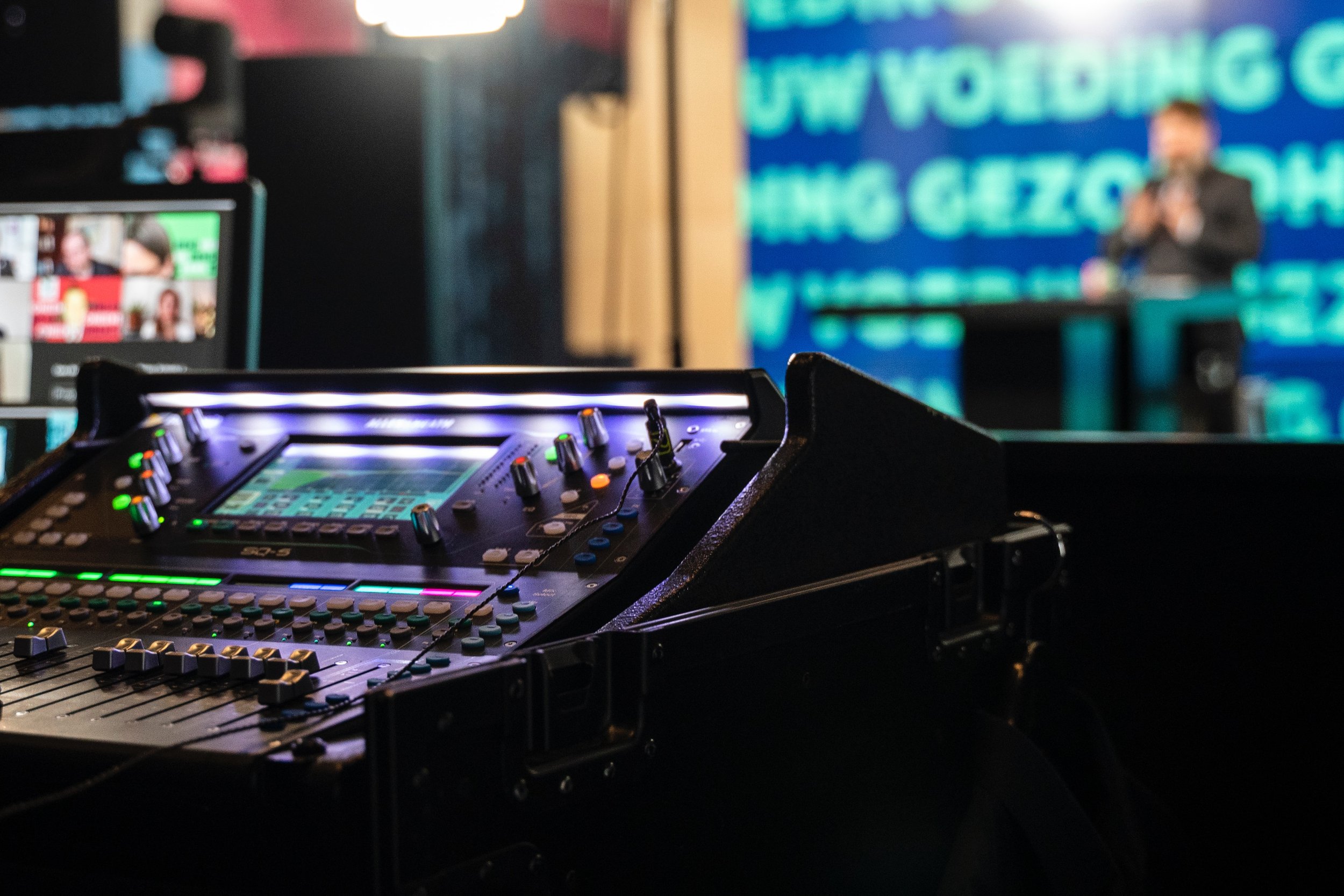
In addition, cultivating an interactive environment via collective devices urges student interaction and participation. Making use of varied audio-visual sources deals with various finding out designs, fitting visual, acoustic, and kinesthetic learners. Frequently examining the impact of technology on student discovering assists teachers improve their methods and adjust to transforming requirements. Entailing pupils in the choice of modern technology promotes ownership and inspiration. By sticking to these ideal practices, educators can develop a dynamic class ambience that effectively incorporates innovation and enhances the academic experience for all pupils.
The Future of Audio-Visual Modern Technology in Education And Learning
As classrooms increasingly welcome technology, the landscape of audio-visual tools in education remains to progress (audio visual charlotte nc). Future advancements are expected to focus on better interactivity and customization, enabling teachers to tailor finding out experiences to private student needs. Technologies such as enhanced reality (AR) and online fact (VIRTUAL REALITY) will likely offer immersive learning settings, improving trainee involvement and understanding
Man-made knowledge (AI) is positioned to play a substantial function in audio-visual technology by offering real-time comments and flexible discovering pathways. This combination might aid educators recognize and deal with pupil challenges much more properly. Cloud-based platforms will promote much easier accessibility to resources and collaboration among trainees and teachers, no matter place.
In addition to these technological advances, specialist development for teachers will certainly be important, ensuring they are geared up to utilize these devices effectively. Generally, the future of audio-visual modern technology in education and learning guarantees to create even more vibrant, inclusive, and impactful understanding experiences.
Regularly Asked Concerns
How Can Educators Pick the Right Audio-Visual Tools for Their Class?
Selecting proper audio-visual tools needs teachers to evaluate their educational objectives, think about pupil requirements, evaluate available technology, and look for recommendations from peers or professionals, making certain tools properly enhance discovering and engagement within their certain class setting.
What Budget Factors to consider Are There for Implementing Audio-Visual Modern Technology?
Budget considerations for executing audio-visual technology include initial acquisition prices, maintenance expenses, training for staff, and possible software application licensing fees. Furthermore, long-lasting investment in updates and substitutes should also be factored into financial preparation.
Exist Details Training Resources for Educators on Audio-Visual Devices?
Many organizations provide training sources for teachers on audio-visual tools, consisting of online training courses, workshops, and instructional overviews. These resources aim to improve instructors' skills and self-confidence in successfully integrating technology into their mentor practices.
How Do We Gauge the Effectiveness of Audio-Visual Modern Technology in Learning?
Gauging the effectiveness of audio-visual modern technology in learning includes assessing student engagement, understanding, retention prices, and general scholastic efficiency. Surveys, analyses, and observational research studies can provide important insights into its influence on instructional results.
What Are Typical Misconceptions About Audio-Visual Technology in Education?
Usual false impressions regarding audio-visual technology in education and learning include the belief that it ensures engagement and discovering end results, along with the presumption that all pupils benefit just as, ignoring specific discovering preferences and needs.